Hitting the gym or lacing up for a run often comes with a mental battle before the physical one even begins. Sometimes, you just need that extra spark, that internal rallying cry that pushes you out the door and through your toughest sets. And if you’re an experienced gym-goer or a seasoned runner, you already know the secret weapon: good workout music. It's not just background noise; it's a meticulously crafted soundtrack for your peak performance, a powerful motivator that can transform a grueling session into an exhilarating one.
At a Glance
- Understand Music's Power: Discover how the right beats can elevate your mood, increase endurance, and distract from fatigue.
- Match Music to Movement: Learn to align BPM (beats per minute) with your workout intensity for optimal results.
- Explore Genre Benefits: Find out which music styles best suit different exercises, from high-intensity cardio to focused strength training.
- Craft Your Perfect Playlist: Get practical tips for building dynamic playlists that carry you from warm-up to cool-down.
- Unlock Motivation: Leverage music as a key component in your overall fitness motivation strategy.
Beyond the Noise: Why Good Workout Music Is Your Ultimate Training Partner
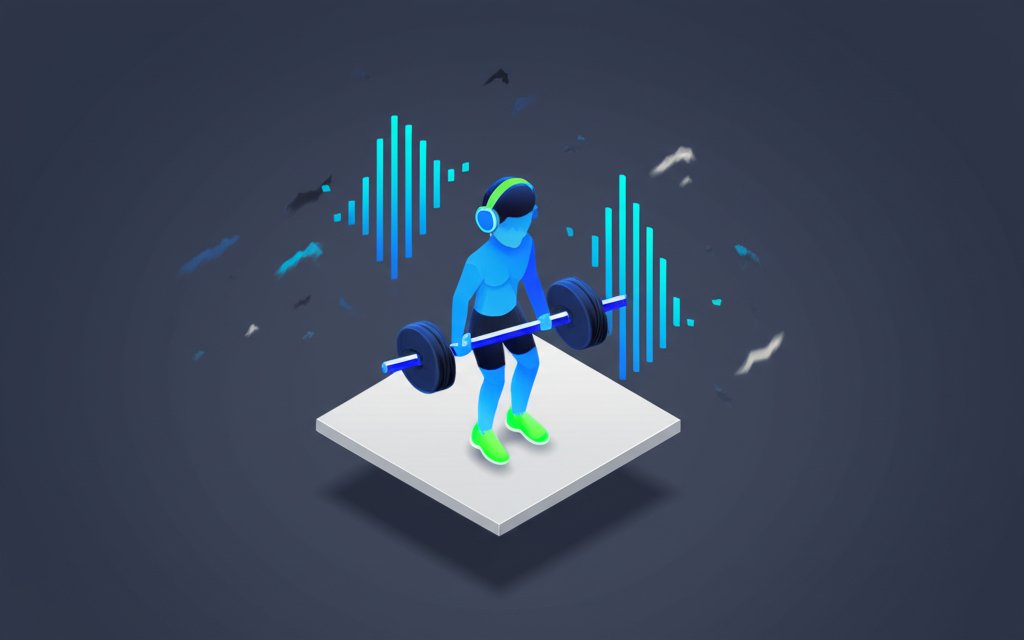
Think about it: have you ever been halfway through a set, feeling the burn, when a killer beat drops and suddenly you find that extra burst of energy? That’s not a coincidence. Researchers have extensively studied the "ergogenic effect" of music – its ability to enhance physical performance. Music can act as a powerful dissociative stimulus, meaning it distracts you from discomfort and fatigue. It also influences your mood, getting you pumped up, reducing anxiety, and even altering your perception of effort.
More than just a psychological boost, the right music literally sets your pace. Fast tempos can encourage quicker movements and higher intensity, while steady rhythms help maintain endurance. The rhythm synchronizes with your motor activity, making repetitive movements feel more natural and less like a chore. So, when you choose good workout music, you're not just picking songs you like; you're engineering a physiological and psychological advantage.
Finding Your Rhythm: Matching BPM to Your Workout Intensity

The "beat" in good workout music isn't just about sounding good; it's about the tempo, measured in BPM (beats per minute). This numerical value is crucial for aligning your music with your workout's intensity and purpose.
- Warm-up (100-120 BPM): Start with moderate tempos to gently elevate your heart rate and prepare your muscles. Think of a steady, rhythmic walk.
- Moderate Cardio & Steady State (120-140 BPM): This is the sweet spot for many cardio activities like jogging, cycling, or elliptical training. The rhythm helps you maintain a consistent pace without feeling rushed. Tracks like The Weeknd's 'Blinding Lights' or Cut Copy's 'Need You Now' with their driving synth-pop beats are excellent here. For a truly meditative, long-distance run, Neu!'s 'Hallogallo' offers a stable, motorik drum beat that can keep you going.
- High-Intensity Interval Training (HIIT) & Peak Cardio (140-180+ BPM): When you need to push hard, whether for a sprint interval, a boxing session, or an intense dance cardio, opt for fast-paced, high-energy tracks. The ground truth research points to songs like Azealia Banks’ ‘212�� with its aggressive flow, or DJ Snake + Lil Jon’s ‘Turn Down for What’ for raw, explosive energy. System of a Down’s ‘Chop Suey’ is even noted for its alternating fast and slow tempos, making it surprisingly effective for interval-based training.
- Strength Training & Power Lifts (80-120 BPM): For lifting weights, you might not need a super-fast tempo, but you definitely want something powerful and driving. Lower BPMs can work if they have a heavy, impactful beat. Queen's 'Another One Bites the Dust' with its constant bassline is ideal for repetitive movements. Songs with strong basslines or a heavy rock feel, like Guns N Roses' 'Welcome to the Jungle' or MC5's 'Kick Out the Jams', can provide the aggressive push needed for heavy lifts. Kanye West's 'POWER' is another excellent choice for that feeling of immense strength.
- Cooldown & Stretching (60-90 BPM): Slow, calming music helps bring your heart rate down and promotes relaxation, crucial for flexibility and recovery. This is where ambient, instrumental, or acoustic tracks shine.
Understanding BPM helps you curate a playlist that acts as a natural guide for your body, ensuring your music is always working with your workout, not against it.
Genre Deep Dive: Unlocking Your Workout Vibe
Your personal taste in music is paramount, but certain genres naturally lend themselves to specific workout types. Let's break down some popular categories and why they make for good workout music, drawing from our extensive research:
The Adrenaline-Pumping Anthems: Rock & Metal
When you need to tap into raw power, overcome a plateau, or simply feel like a champion, rock anthems deliver. Their driving guitar riffs, powerful drumming, and often defiant lyrics are perfect for strength training, high-intensity cardio, or battling through tough moments.
- Why it works: Evokes a sense of rebellion, strength, and resilience. The strong instrumentation can provide a palpable feeling of momentum.
- Best for: Heavy lifting, intense cardio, punching bags, or finding your "fight or flight" instinct.
- Track examples:
- ‘Eye of the Tiger’ by Survivor: The quintessential motivational anthem, synonymous with pushing limits.
- ‘Welcome to the Jungle’ by Guns N Roses: Instantly taps into an aggressive, no-holds-barred mindset.
- ‘Times Like These’ by Foo Fighters: A powerful, affirmative rock track to channel energy.
- ‘Another One Bites the Dust’ by Queen: A constant, driving bassline that’s surprisingly effective for repetitive sets.
- ‘Enter Sandman’ by Metallica: A heavy, iconic track for serious power.
The Hypnotic Pulse: Dance, Electronic & Synth-Pop
For sustained energy, rhythm, and an almost euphoric feeling, electronic dance music (EDM), house, and synth-pop are unparalleled. Their consistent, often four-on-the-floor beats are excellent for maintaining a steady pace during cardio or finding a groove during group fitness classes.
- Why it works: The repetitive, driving beats create a trance-like state that can make you forget you're working hard. The melodic synths often add an uplifting, feel-good vibe.
- Best for: Running, cycling, elliptical, dance fitness, or any activity requiring sustained, rhythmic movement.
- Track examples:
- ‘Pump up the Jam’ by Technotronic: Non-stop beat with a strong bassline – an absolute classic.
- ‘Hideaway’ by Kiesza: Electropop with a 90s house feel, perfect for a dynamic vibe.
- ‘One More Time/Aerodynamic’ by Daft Punk: Creates pure euphoria, ideal for hitting that "runner's high."
- ‘Blinding Lights’ by The Weeknd: A continuous synth-pop beat that keeps you moving.
- ‘When a Fire Starts to Burn’ by Disclosure: Bouncing house bassline for a deep groove.
- ‘Night by Night’ by Chromeo: Electro-disco anthem to keep spirits high.
The Lyrical Drive: Hip-Hop & Rap
Beyond the beats, hip-hop and rap often bring a powerful lyrical component to good workout music. The swagger, confidence, and stories of overcoming adversity embedded in the lyrics can provide an incredible psychological push, making you feel unstoppable.
- Why it works: Aggressive vocals, powerful bass, and often aspirational or defiant lyrics provide a mental boost and a strong, rhythmic foundation.
- Best for: High-intensity intervals, boxing, strength training, or when you need a confidence boost to push through.
- Track examples:
- ‘Stronger’ by Kanye West: A motivational powerhouse combining Daft Punk samples with Kanye’s self-assured rap.
- ‘Lose Yourself’ by Eminem: Adrenaline-pumping beat with a message about seizing the moment.
- ‘Lose Control’ by Missy Elliott: Uptempo, freestyle electro track that commands movement.
- ‘212’ by Azealia Banks: Aggressive and relentless vocals to push your limits.
- ‘Push It’ by Salt-N-Pepa: An energetic 80s hit that lives up to its name.
- ‘Fade’ by Kanye West: A stable beat with a rhythm that fits various training styles.
- ‘The Seed (2.0)’ by The Roots: Great for finding your cycling rhythm.
The Uplifting Vibe: Pop & Indie-Pop
Sometimes, you just need something catchy, upbeat, and undeniably feel-good. Pop and indie-pop tracks are fantastic for light cardio, active recovery, or when you simply want to inject some joy into your workout. Their infectious melodies and relatable lyrics can make any exercise feel less like work.
- Why it works: Catchy hooks and upbeat tempos are fantastic mood elevators, making the workout feel less like a chore and more like a dance party.
- Best for: Jogging, light cardio, dance workouts, or when you need a psychological lift.
- Track examples:
- ‘Shake It Off’ by Taylor Swift: An upbeat pop track for embracing transformation.
- ‘Move Your Feet’ by Junior Senior: A disco track with an infectious, energy-pumping bassline.
- ‘Dancing on My Own’ by Robyn: An emotionally charged yet challenging Swedish pop hit.
- ‘A-Punk’ by Vampire Weekend: A cheerful indie-pop track perfect for a jog.
- ‘Such Great Heights’ by The Postal Service: An energetic indie-pop classic.
- ‘Maniac’ by Michael Sembello: The iconic soundtrack from "Flashdance" that still inspires.
The Body-Positive Beat: R&B & Soul
When you want to feel powerful, confident, and in tune with your body, R&B and soulful tracks with a strong beat are excellent. They often combine motivating rhythms with lyrics that celebrate strength and self-assurance.
- Why it works: Smooth grooves and often empowering lyrics can make you feel good about yourself and your movements, adding a layer of confidence to your workout.
- Best for: Dance workouts, strength training, or dynamic stretching.
- Track examples:
- ‘Partition’ by Beyonce: Combines swagger and sexiness, giving a powerful persona.
- ‘Sexy Back’ by Justin Timberlake: Provides that extra motivation to feel and look good while working out.
- ‘Shake Your Body (Down to the Ground)’ by The Jacksons: A classic disco track that naturally gets you moving.
- ‘Rhythm Nation’ by Janet Jackson: Funky instrumentation and uplifting lyrics.
The Country Ride: Country Music
For those who prefer a different beat, modern country music can offer upbeat tempos, storytelling, and an energetic vibe that’s perfect for outdoor activities or steady-state cardio.
- Why it works: Often features strong, consistent rhythms and themes of freedom and resilience, great for longer runs or rides.
- Best for: Running, cycling, outdoor workouts.
- Track examples:
- ‘Somethin’ Bad’ by Miranda Lambert and Carrie Underwood: A powerful, feisty duet.
- ‘This Is How We Roll’ by Florida Georgia Line: Upbeat and energetic for an outdoor adventure.
- ‘Red’ by Taylor Swift: A track with a driving beat for sustained activity.
The Unwind: Yoga & Cooldown Tracks
Even your cool-down needs good workout music. Slow, melodic, and often instrumental tracks help transition your body from exertion to recovery, aiding in flexibility and mental relaxation.
- Why it works: Calming melodies and slower tempos help regulate breathing, reduce muscle tension, and promote mental peace after a strenuous session.
- Best for: Stretching, yoga, foam rolling, and post-workout cool-downs.
- Track examples:
- ‘Latch (DJ Premier Remix)’ by Disclosure and Sam Smith: A more mellow, reflective version of a popular track.
- ‘Chandelier’ by Sia: Emotionally resonant, but with a slower, more deliberate pace perfect for winding down.
- ‘Ghost’ by Halsey: Atmospheric and introspective for a gentle cool-down.
Crafting Your Ultimate Workout Playlist: A Practical Playbook
Building a dynamic and motivating playlist is an art. It’s about more than just throwing your favorite songs together; it's about curating an experience that complements the flow of your workout. Here’s how to do it:
- Start with the Warm-Up (10-15% of total time): Choose tracks with a moderate, building tempo (100-120 BPM). These songs should gently increase your heart rate and get your body ready without over-exertion. Think of a song that makes you tap your foot, not sprint.
- Example: ‘Roadrunner’ by The Modern Lovers (for a casual run) or ‘Lonely Boy’ by The Black Keys (for a steady rhythm).
- Build to the Main Event (60-70% of total time): This is where you bring in the core of your good workout music. Gradually increase the BPM and energy. Start with moderate-intensity tracks (120-140 BPM) and transition to your peak-performance songs (140-180+ BPM) for the most challenging parts of your workout. Mix genres to keep things interesting and cater to different phases (e.g., strength sets vs. cardio bursts).
- Example sequence: Start with ‘Hard to Explain’ by The Strokes (160 BPM, good for cycling), then transition to ‘Body Movin’ (Fatboy Slim remix)’ by the Beastie Boys for higher energy, and finally hit your peak with ‘Turn Down for What’ by DJ Snake + Lil Jon.
- Peak Performance & "Push Through" Tracks: These are your go-to songs when you need that extra boost. Place them strategically before your heaviest lifts, longest sprints, or final reps. These are often the tracks with strong lyrical motivation, heavy beats, or an undeniable anthemic quality.
- Example: ‘Stronger’ by Kanye West, ‘Lose Yourself’ by Eminem, or ‘Welcome to the Jungle’ by Guns N Roses.
- The Cool-Down (10-15% of total time): Gradually decrease the tempo and intensity. Choose slower, calming tracks (60-90 BPM) that help you wind down, stretch, and recover. This is your chance to reflect on your hard work.
- Example: ‘Chandelier’ by Sia or 'Latch (DJ Premier Remix)' by Disclosure.
- Consider Workout Type: A playlist for a long-distance run will differ significantly from one for a heavy lifting session. Tailor your selection to the specific demands and flow of your activity. You might even have dedicated playlists for different workouts throughout the week. Remember, while good workout music is crucial, it’s part of a broader motivational toolkit. To further boost your energy and commitment, exploring different strategies like motivational videos can also be incredibly effective. For more dynamic inspiration to kickstart your fitness routine, you can Get excited to hit the gym and explore various visual and auditory cues that complement your music choices.
- Personalize and Evolve: Your taste changes, and so should your playlist. Regularly refresh your songs to avoid "ear fatigue" and keep the motivation fresh. Discover new artists or revisit old favorites. The best good workout music is the music that truly resonates with you.
Quick Answers: Common Questions About Workout Music
What's the ideal BPM for a workout?
There's no single "ideal" BPM; it depends entirely on your workout phase and intensity. Generally, 100-120 BPM for warm-ups, 120-140 BPM for moderate cardio, and 140-180+ BPM for high-intensity intervals or peak performance. Strength training often benefits from powerful beats in the 80-120 BPM range.
Does the genre of music really matter?
Absolutely. While personal preference is key, different genres inherently carry different energy levels, rhythms, and emotional tones. Rock and hip-hop often provide aggression and power, electronic music offers sustained rhythm and euphoria, and pop delivers uplifting, feel-good vibes. Matching the genre's inherent characteristics to your workout's demands can significantly enhance your experience.
Should I listen to lyrics or instrumental music?
Both have benefits. Lyrical music can provide direct motivation, a story to connect with, or simply be more engaging. Instrumental music, especially electronic with a strong beat, can be less distracting and allow you to focus purely on your movement and rhythm, particularly for endurance or meditative activities. Experiment to see what works best for you at different times.
Can music negatively impact my workout?
Yes. Music that's too slow for high-intensity work can make you feel sluggish. Music that's too fast or chaotic for a cool-down can hinder relaxation. Also, if your music is distracting (e.g., you're constantly skipping songs or the volume is wrong), it can break your focus. The goal is flow, not frustration.
How loud should my music be?
Loud enough to be immersive and block out gym distractions, but not so loud that it's uncomfortable, causes hearing damage, or prevents you from hearing important safety cues (like a gym instructor or traffic if you're outdoors). Aim for a comfortable, motivating volume.
Your Next Rep Starts Here
The journey to better fitness is multifaceted, and good workout music is an indispensable tool in your arsenal. It’s more than just a background soundtrack; it's a strategic partner that can elevate your performance, enhance your mood, and help you push past perceived limits. By understanding the interplay of tempo, genre, and personal preference, you can curate playlists that are specifically designed to fuel your success.
So, take a moment. Think about your next workout. What kind of energy do you need? What challenges do you want to conquer? Then, dive into your music library, pick those tracks that resonate deepest, and craft a playlist that doesn't just play during your workout, but actively powers it. Your body will thank you, and your mind will be ready for anything. Now go hit play, and get moving.