Feeling flat when you're supposed to be crushing your workout? You're not alone. Often, the difference between a sluggish session and an exhilarating one isn't just your energy levels, it's the soundtrack. The right inspirational music for working out can transform your mood, boost your stamina, and help you push past limits you didn't even know you had. It's more than just background noise; it's a powerful psychological tool, a consistent beat that can pull you through the toughest reps and the longest sprints.
At a Glance: Powering Your Workouts with Music

- Understand Music's Impact: Learn how specific sounds and rhythms psychologically boost performance and reduce perceived effort.
- Identify Your Sonic Triggers: Discover the elements that make music genuinely "inspirational" for your unique workout style and goals.
- Master Playlist Crafting: Get a step-by-step guide to building dynamic playlists for different workout phases and intensities.
- Leverage Lyrical Power: See how words can amplify motivation and mental resilience during physical exertion.
- Optimize for Any Exercise: Match your music strategy to cardio, strength training, HIIT, and more for maximum effect.
- Avoid Common Pitfalls: Learn to keep your playlists fresh and impactful, ensuring your music always serves your workout.
The Undeniable Edge: How Music Fuels Your Fitness
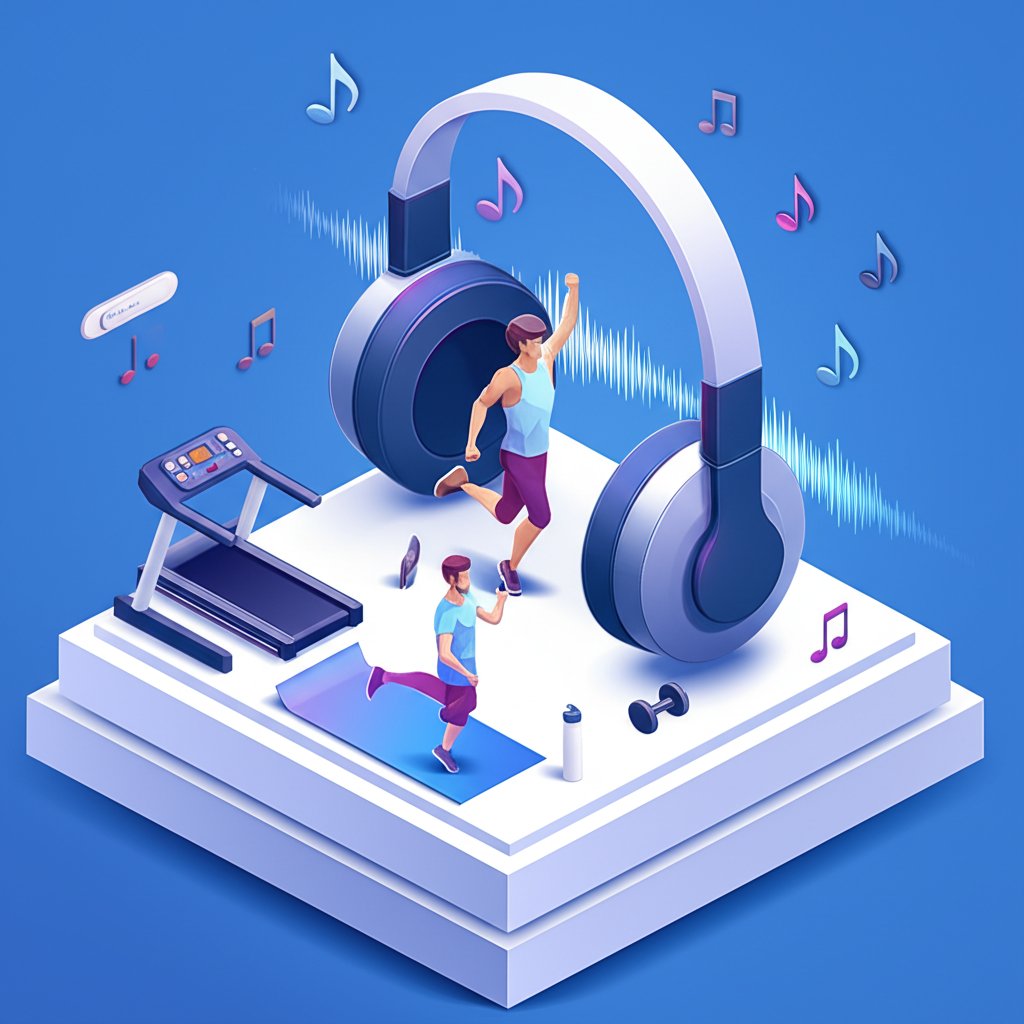
Think about it: have you ever heard a powerful beat drop or an anthemic chorus and felt an immediate surge of energy? That's not just a coincidence; it's your brain reacting to carefully constructed sound. When we listen to inspirational music for working out, several key psychological and physiological processes kick in.
Firstly, music acts as a powerful distraction from discomfort and fatigue. Your brain becomes engaged with the rhythm, melody, and lyrics, shifting focus away from the burning in your muscles or the strain in your lungs. This cognitive distraction actually lowers your perceived effort, making intense workouts feel easier and allowing you to push harder for longer.
Secondly, music is a potent mood enhancer. Upbeat tempos and positive lyrics stimulate the release of feel-good neurotransmitters like dopamine. This boost in mood can transform a chore into an enjoyable activity, making you more likely to stick with your workout plan. Fitness experts consistently agree that the right songs make a significant difference in adherence to exercise and reaching goals. If you're looking for broader strategies to keep yourself pumped, exploring various resources, including visual aids, can significantly Boost your exercise motivation and overall adherence.
Finally, music provides a rhythmic cue for movement. Syncing your steps, reps, or strokes to a beat can improve efficiency, coordination, and even power output. This entrainment, as it's called, optimizes your body's mechanics, turning your workout into a more fluid and less effortful experience. It’s why a high-energy dance track can literally make you "get things popping" and keep you moving.
Decoding "Inspirational": What Sounds Spark Your Drive?
The term "inspirational" is deeply personal. While some might find an intense, driving electronic beat incredibly motivating, others might prefer the uplifting chorus of a pop anthem or the raw power of a rock classic. The key is to identify what resonates with you.
Beyond Fast Beats: The Elements of Motivation
It’s not just about BPM (beats per minute), though that plays a significant role. Truly inspirational workout music often combines several elements:
- Tempo and Rhythm: Generally, faster tempos (120-140+ BPM) are great for high-intensity cardio, while slightly slower but still driving rhythms (100-120 BPM) can be excellent for strength training, helping you maintain controlled movements. The ground truth research confirms that a "mix of beats, tempos, and genres" is crucial.
- Melody and Harmony: Certain chord progressions and melodic lines can evoke feelings of triumph, resilience, or pure joy. Think of anthemic choruses that swell and build, creating a sense of overcoming.
- Lyrical Content: This is where true inspiration often lies. Songs about overcoming adversity, self-belief, breaking limits, or pushing through pain can be incredibly powerful. A track like "Stronger Than You Think" by Fearless Motivation is a prime example of leveraging direct, empowering lyrics.
- Personal Connection: Sometimes, the most inspirational track is simply one that holds personal significance—a song from a memorable time, a track tied to a past achievement, or one that just feels intrinsically good to you.
Genre-Bending for Peak Performance
Don't limit yourself to one genre. The most effective workout playlists often span various eras and styles, offering a dynamic experience that prevents staleness. Consider these categories:
- High-Energy Dance/Electronic (EDM): Think relentless beats, powerful drops, and often wordless sections that let you get lost in the rhythm. Perfect for intense cardio or HIIT.
- Uplifting Pop/Hip-Hop: Catchy melodies, strong vocal hooks, and often positive, aspirational lyrics. Great for maintaining energy during longer sessions or as mood boosters.
- Hard Rock/Metal: Aggressive guitar riffs, pounding drums, and often defiant or powerful lyrics. Excellent for channeling aggression and strength during heavy lifting.
- Old School R&B/Funk: Groovy basslines, infectious rhythms, and often feel-good vibes that make movement feel effortless. Fantastic for warming up, cooling down, or steady-state cardio.
- Motivational Spoken Word/Orchestral Hybrid: Less common, but tracks that combine powerful speeches with epic, cinematic music (like some by Fearless Motivation) can provide a unique mental push, especially when you need to dig deep.
Building Your Ultimate Power Playlist: A Step-by-Step Guide
Crafting a playlist isn't just about throwing your favorite songs together. It's an art that requires strategy, foresight, and a keen understanding of your workout’s energy arc.
Step 1: Chart Your Workout's Energy Arc
Every workout has a natural flow:
- Warm-up (5-10 minutes): Start with mid-tempo tracks (100-120 BPM) that gently elevate your heart rate and get your muscles ready. Think groovy R&B or relaxed pop.
- Peak Performance (20-40 minutes): This is where you bring out the heavy hitters. High-energy, fast-paced tracks (130-160+ BPM) that keep you pushing hard. This is where your EDM, high-impact hip-hop, or aggressive rock shines.
- Cool-down (5-10 minutes): Gradually decrease the tempo and intensity. Opt for calmer, more melodic tracks (80-100 BPM) that help your body and mind wind down. Instrumental pieces or ambient pop can work wonders.
Step 2: Curate by Intensity and Emotion
Don't just look at BPM. Consider the emotional tone of the music.
- For Grinding/Heavy Lifts: Look for tracks with a strong, consistent beat, heavy bass, and perhaps a slightly aggressive or determined feel. Think about what makes you feel powerful and unyielding.
- For Endurance/Steady State: Choose songs with a consistent, driving rhythm that you can easily sync your movement to. Uplifting melodies and sustained energy are key here.
- For HIIT/Sprints: You need explosive energy. Tracks with sudden tempo changes, powerful drops, or intense builds are perfect for mirroring the burst-and-recover nature of these workouts.
Step 3: Diversify Your Sonic Landscape
Monotony is the enemy of motivation. A playlist that jumps between genres, eras, and even moods can keep your brain engaged and prevent you from tuning out. If you love EDM, intersperse it with some classic rock anthems or a motivational rap track. This "mix of beats, tempos, and genres" ensures your energy levels stay high.
Step 4: Personalize Ruthlessly: What Pumps You Up?
This is the most critical step. Forget what "everyone else" listens to. What song makes your heart rate rise? What lyric makes you feel invincible? If a track, regardless of genre or popularity, pumps you up and spurs you on, include it. Your playlist is your personal fuel, so it must cater to your unique preferences. This includes old school tracks, dance party anthems, intense tracks, or "something else" entirely.
Case Snippet: Sarah, a runner, found that traditional pump-up music felt jarring. Instead, she built a playlist around epic cinematic scores combined with power ballads from the 80s. The soaring melodies and strong vocals made her feel like she was running a movie montage, sustaining her pace for miles. The "inspirational" factor was entirely her own interpretation.
Step 5: Test, Refine, and Rejuvenate
Your first draft won't be perfect. Test your playlist during a workout. Do certain songs fall flat? Do others make you want to push harder? Note these observations.
- Rotate Regularly: Don't let your playlist get stale. Add 2-3 new songs each week and remove those that no longer hit the mark. This keeps your workout experience fresh and your motivation high.
- Create Multiple Playlists: Have specific playlists for different workout types (e.g., "HIIT Beast Mode," "Long Run Flow," "Heavy Lift Hymns"). This specialization ensures you always have the right sonic tool for the job.
Beyond the Beats: The Psychology of Lyrical Power
While instrumentals can drive rhythm, lyrics add a layer of cognitive and emotional engagement that can profoundly impact your workout. Words carry meaning, intention, and narrative.
Consider songs that feature themes of:
- Overcoming Adversity: Lyrics that talk about pushing through pain, rising from challenges, or proving doubters wrong.
- Self-Belief and Empowerment: Songs that reinforce your strength, capability, and worth.
- Goal Achievement: Lyrics that focus on the journey to success, the dedication required, and the feeling of accomplishment.
Artists like Fearless Motivation specialize in creating music with highly explicit motivational lyrics, designed to be heard and internalized during physical effort. Their track "Stronger Than You Think" is an excellent example of this direct, affirmation-based approach. Incorporating such tracks can act as a mental coach, feeding you positive reinforcement when your internal voice might start to waver.
Optimizing Your Soundtrack for Specific Workouts
The best inspirational music for working out isn't one-size-fits-all. Different activities benefit from different sonic approaches.
High-Intensity Cardio and HIIT
- Characteristics: Short bursts of maximum effort followed by brief recovery periods. Needs immediate energy and sustained drive.
- Music Strategy: Fast, aggressive, and rhythmic. Look for tracks with a BPM range of 140-180. Electronic dance music (EDM), drum & bass, high-energy pop, and aggressive hip-hop work well. Tracks with powerful drops or unexpected builds can align perfectly with burst intervals.
- Example: Imagine a track building with a huge crescendo, hitting its peak just as you start your sprint interval.
Strength Training (Lifting, Bodyweight)
- Characteristics: Focused effort, controlled movements, periods of rest between sets. Requires concentration and a feeling of power.
- Music Strategy: Heavy, consistent basslines and rhythms that make you feel strong and grounded. BPM can vary from 100-140. Hard rock, metal, heavy hip-hop, or even intense orchestral pieces can be effective. Lyrics about strength, determination, and focus are a bonus.
- Example: A track with a driving, repetitive guitar riff can help you maintain focus through a grueling set of squats.
Running and Cycling (Endurance)
- Characteristics: Sustained effort over longer periods, often requiring a consistent pace. Needs music that prevents boredom and maintains motivation.
- Music Strategy: Consistent tempos that match your desired cadence (often 120-170 BPM), uplifting melodies, and engaging lyrics or instrumentals. Long mixes are great for avoiding awkward track transitions. Pop, upbeat rock, and electronic music with a steady beat are often favored.
- Example: A playlist of uplifting pop anthems that maintain a steady, slightly increasing BPM can carry you through the mid-section of a long run.
Flexibility and Recovery (Yoga, Pilates, Stretching)
- Characteristics: Focus on breath, mindful movement, and muscle lengthening. Requires calm, focus, and a sense of peace.
- Music Strategy: While not "inspirational" in the traditional pump-up sense, music here inspires tranquility and focus. Ambient, instrumental, classical, or calm acoustic tracks (60-100 BPM) are ideal. Avoid anything jarring or with aggressive vocals.
- Example: Soft, flowing instrumental music that allows you to deepen your stretches and focus on your breath.
Common Pitfalls and How to Avoid Them
Even the best intentions can go awry with your workout music. Here are some common traps and how to navigate them:
- Stale Playlists: Listening to the same 10 songs for months on end is a surefire way to lose motivation.
- Solution: Regularly update your playlists. Use streaming service suggestions, explore new artists, or ask friends for recommendations. Aim to swap out at least 25% of your playlist monthly.
- Wrong Music for the Workout: Trying to lift heavy to soft jazz or run a marathon to a slow ballad will hinder, not help.
- Solution: Create specialized playlists for different workout types. If you switch from cardio to strength, switch your playlist too.
- Poor Audio Quality or Equipment Issues: Fumbling with earbuds, a dying phone battery, or crackling audio breaks your flow.
- Solution: Invest in reliable, comfortable workout headphones. Ensure your device is fully charged. Download music offline if you're in an area with poor signal.
- Over-reliance on a Single Source: Sticking to just one artist or one genre for all your workouts.
- Solution: Embrace diversity. Explore different eras and styles. You might discover an unexpected source of motivation!
Quick Answers: Your Top Questions About Workout Music
How important is BPM for inspirational workout music?
BPM (beats per minute) is very important, especially for rhythmic activities like running or cycling. It helps you synchronize your movements and maintain pace. However, it's not the only factor. Emotional connection, lyrical content, and personal preference also play huge roles in whether music is truly "inspirational."
Can slower music still be inspirational for workouts?
Absolutely. While high-energy music is often associated with intense workouts, slower music can be incredibly inspirational for activities requiring focus, control, or deep mental engagement, like a challenging yoga flow or a heavy lifting set where each rep needs deliberate execution. It inspires a different kind of motivation – one of discipline and mindful strength.
Should I use headphones or speakers for my workout music?
This largely depends on your environment. For public gyms, headphones are essential for personal focus and courtesy. For home workouts, speakers can create a more immersive and energetic atmosphere, especially if you live alone or have understanding housemates! Always prioritize safety – be aware of your surroundings if working out outdoors with headphones.
Where can I find new inspirational music for working out?
Streaming services like Spotify, Apple Music, and Amazon Music have dedicated workout playlists curated by experts. Explore genre-specific workout playlists, check out artists known for motivational tracks (like Fearless Motivation), or follow fitness influencers whose musical tastes align with yours. Don't be afraid to ask friends for their go-to tracks.
Your Action Plan: Fueling Your Next Workout
You now have the knowledge and strategies to harness the power of inspirational music for working out. Don't just read about it; put it into action!
- Audit Your Current Playlist: Listen to your existing workout music. Does it truly elevate you? Are there any stale tracks? Make a list of songs that consistently fail to hit the mark.
- Identify Your Motivation Triggers: Over your next few workouts, pay close attention to which songs make you feel strongest, most energized, or most focused. Note down genres, tempos, and lyrical themes that resonate most deeply.
- Build a Specialized Playlist (Today!): Pick one type of workout you do regularly (e.g., your next run, your next strength session). Using the steps outlined above, craft a brand-new playlist specifically for that activity, incorporating varied tempos and lyrical themes that inspire you.
Plug in, turn up the volume, and let the music transform your next workout. You are worth the effort to make every session count.