When you hit the gym for a heavy lifting session, the right soundtrack isn't just background noise—it's a performance enhancer, a mental amplifier, and often, the secret weapon that helps you push through that final, grueling rep. Weight training music can dramatically impact your focus, endurance, and perceived effort, transforming a routine workout into an intensely powerful experience.
It’s about more than just finding songs you like; it’s about strategically curating an auditory environment that aligns with your physiological and psychological needs for strength, power, and sustained effort. Forget merely existing through your sets; with the right music, you can truly own them.
At a Glance: Powering Up with the Right Soundtrack
- Boost Performance: Learn how music can increase endurance, strength, and power output.
- Master Mood & Focus: Understand how specific tempos and genres can prime your mind for lifting.
- Curate Your Ultimate Playlist: Get actionable strategies for building a dynamic, progressive workout mix.
- Avoid Common Pitfalls: Discover how to prevent music from becoming a distraction rather than a tool.
- Tailor to Your Workout Style: Adapt music choices for different lifting goals and workout phases.
- Stay Safe & Present: Tips for maintaining situational awareness even when deeply immersed in your music.
The Science of Sound: How Music Elevates Your Lifts
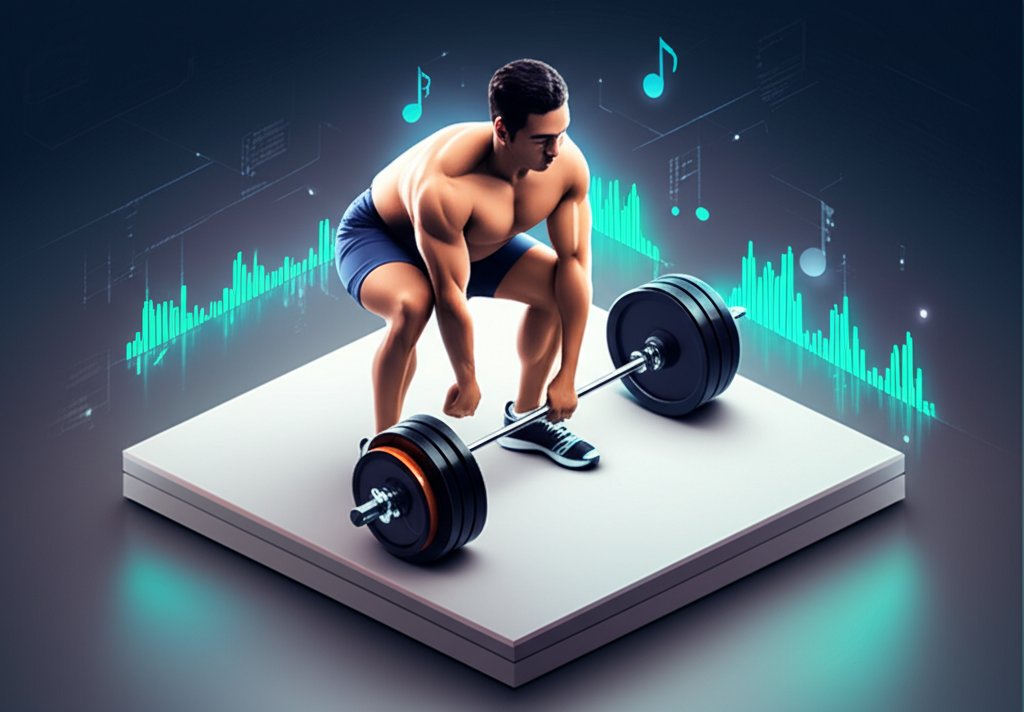
It might feel intuitive, but the impact of music on physical performance is well-documented. When you're under the bar, fighting gravity, music acts on multiple fronts:
- Distraction & Dissociation: Upbeat, rhythmic music can effectively distract you from feelings of fatigue and pain. This "dissociation" makes tough efforts feel easier, allowing you to push harder for longer. Think of it as a mental shield against discomfort.
- Arousal & Stimulation: Music, especially with higher tempos (BPMs), can elevate your heart rate, respiratory rate, and even increase adrenaline. This physiological "arousal" primes your body for explosive action, perfect for heavy squats or deadlifts.
- Motor Coordination & Rhythm: The inherent rhythm in music can synchronize with your movements. This isn't just for cardio; a strong beat can help maintain a consistent tempo during your reps, aiding form and control, particularly during compound movements.
- Mood & Motivation: Perhaps the most powerful effect is on your psychological state. The right track can evoke feelings of power, aggression, joy, or resilience—all emotions conducive to a strong training session. It taps into your subconscious, giving you that extra mental edge.
This isn't about simply finding a good beat; it's about understanding how your chosen weight training music can directly translate into better lifts, more reps, and ultimately, stronger results.
Crafting Your Auditory Arsenal: Principles for a Powerful Playlist

Building an effective weight training playlist is an art and a science. It's not just a collection of your favorite songs; it's a strategic sequence designed to support your workout from warm-up to cool-down.
Tempo is King: Matching BPM to Your Effort
The Beats Per Minute (BPM) of your music is perhaps the most crucial factor in its effectiveness for weight training.
- Warm-up (100-120 BPM): Start with moderate tempos that get your blood flowing without over-stimulating. Think classic rock anthems or mid-tempo hip-hop. This helps ease you into focus.
- Working Sets / Strength Training (130-150 BPM): This is your sweet spot for peak performance. Higher BPMs align with the intensity needed for heavy lifts, promoting arousal and distraction from fatigue. Genres like aggressive electronic music, heavy metal, hard rock, or high-energy rap often shine here. The driving rhythm helps maintain intensity between sets and for explosive movements.
- High-Intensity Intervals (HIIT) / Finisher (150+ BPM): For quick, explosive bursts or metabolic finishers, push the tempo even higher. This hyper-stimulates, pushing you through the last drops of energy. Think hardcore techno, drum and bass, or speed metal.
- Cool-down (60-90 BPM): As you wind down, lower the tempo significantly. Calmer, atmospheric music helps transition your body and mind back to a resting state, promoting recovery and reducing cortisol.
Mini-Example: For a heavy deadlift set, you might cue up a track like Rage Against the Machine's "Bulls on Parade" (around 85-90 BPM but with intense rhythmic drive and powerful vocals) or something from an electronic subgenre like Hardstyle (often 150 BPM and above). The key is the perceived intensity and drive, not just the raw BPM.
Genre Isn't Just Personal Preference: It's About Impact
While personal taste is paramount, certain genres inherently lend themselves better to weight training music due to their characteristics.
- Heavy Metal / Hard Rock: Unmatched for aggression, power riffs, and driving drums. Excellent for channeling intensity and pushing through limits.
- Hip-Hop / Rap: Rhythmic, often aggressive, with powerful bass lines. The lyrical content can be highly motivating, focusing on hustle, overcoming obstacles, and strength.
- Electronic Dance Music (EDM) / Techno / Trance: Driving beats, progressive builds, and often a hypnotic quality that can make time seem to melt away. Great for sustained effort and elevating mood.
- Industrial / Aggrotech: Delivers a raw, powerful, almost primal energy that can be incredibly effective for primal movements like deadlifts and squats.
- Soundtracks (Epic/Instrumental): Sometimes, the sheer scale and dramatic arcs of film scores can provide a powerful, immersive, and motivational backdrop, especially for very heavy, singular efforts.
Pitfall to Avoid: Don't just pick your favorite "chill out" playlist. While you might love acoustic folk, it's unlikely to provide the necessary physiological or psychological boost for a max-effort lift. Save those for stretching or active recovery.
The Dynamic Playlist: Building a Flow for Your Workout
A static playlist can quickly become stale. A dynamic approach ensures your music evolves with your workout's intensity curve.
- Warm-Up Phase: Begin with familiar, mid-tempo tracks that get you moving and mentally focused. These should be energizing but not overstimulating.
- Building Intensity: As you progress into your main sets, gradually increase the tempo and intensity of your tracks. This ramps up your physiological and psychological state.
- Peak Performance Tracks: Reserve your absolute "hype" tracks—the ones that give you goosebumps or make you feel invincible—for your heaviest sets or personal best attempts. This is where you leverage the peak motivational power of your weight training music.
- Deload / Accessory Work: For lighter accessory exercises or deload periods, you might slightly drop the intensity or choose tracks that maintain energy without being overly aggressive.
- Cool-Down: Wind down with slower, more melodic, or ambient tracks. This helps signal to your body that it's time to recover.
Practical Playbook for Your Playlist:
- Theme Your Blocks: If you're doing a leg day, perhaps theme your peak tracks around resilience. Arm day? Focus on powerful, punchy tracks.
- Use Smart Playlists: Many streaming services allow you to create smart playlists based on BPM, genre, or even mood. Leverage these.
- Discover New Music Regularly: Keep your playlist fresh. New music can provide a novel boost, preventing staleness and maintaining the "surprise factor" that keeps motivation high. Explore curated workout playlists on platforms like Spotify, Apple Music, or YouTube.
- Test and Adjust: What works for one person might not work for another. Experiment with different genres and tempos. Pay attention to how your body and mind respond to different tracks.
Beyond the Beats: Optimizing Your Auditory Environment
It's not just what you listen to, but how you listen.
Headphones: Your Personal Sound Chamber
Good quality headphones are non-negotiable for weight training music.
- Noise Isolation/Cancellation: Essential for blocking out gym chatter, clanking weights, and generic gym music, allowing you to fully immerse yourself.
- Comfort & Stability: They must stay put during explosive movements, sweat, and awkward positions. Over-ear headphones offer superior sound and isolation, while true wireless earbuds offer freedom of movement (just ensure they have good grip/fins).
- Durability & Sweat Resistance: Gym environments are tough. Choose headphones designed to withstand sweat and accidental drops.
Volume: Finding the Sweet Spot
While the instinct might be to crank it, excessive volume can damage your hearing and potentially lead to distraction.
- Loud Enough to Immerse: The goal is to block external distractions and feel the music, but not so loud that it's painful or prevents you from hearing critical safety cues (e.g., a spotter, a dropped weight, or an emergency alarm).
- Protect Your Hearing: Consider investing in headphones that have a volume limiter or using your phone's settings to cap max volume. Hearing loss is irreversible.
Case Snippet: Mark, a powerlifter, found his focus constantly broken by the pop music blasting in his commercial gym. He invested in high-quality, noise-canceling over-ear headphones and loaded them with aggressive instrumental metal. The result? He consistently added 10-15 lbs to his main lifts within two months, attributing the gain directly to the uninterrupted focus and psychological boost his personalized soundtrack provided. This connection between mental preparation and physical output is critical for peak performance, much like how taking the time to absorb Powerful Sunday workout quotes can help set a positive mental tone for your entire week of training and beyond.
Common Questions & Misconceptions About Workout Music
"Does music really make me stronger, or does it just feel like it?"
It's both! While music doesn't directly alter muscle physiology to create more strength, it significantly enhances your expression of strength and power. By increasing arousal, reducing perceived effort, and improving coordination, it helps you tap into your existing strength reserves more effectively, push past mental barriers, and complete reps you might otherwise fail. So, yes, it makes you perform stronger.
"Is there such a thing as 'bad' weight training music?"
Absolutely. Music that is too slow, too calm, lyrically distracting (e.g., songs that make you emotional in a non-constructive way), or simply music you don't connect with, can be detrimental. If a song makes you want to relax, it's probably not ideal for a heavy lift. The "bad" comes from its misalignment with your workout goals.
"Should I stick to one genre, or mix it up?"
Mixing it up can be highly beneficial! Varying genres can prevent mental fatigue from hearing the same sounds repeatedly and allows you to match specific styles to different workout phases (e.g., rap for warm-up, metal for peak lifts, EDM for HIIT). The key is that each track serves a purpose in your overall workout flow.
"What if I can't find music that 'hyped' enough for me?"
If traditional genres aren't cutting it, explore niche subgenres. For instance, if metal isn't heavy enough, try death metal or grindcore. If EDM feels too light, dive into hardstyle, gabber, or industrial techno. Also, consider instrumentals or movie scores—sometimes the absence of lyrics allows for deeper immersion without distraction. Binaural beats or alpha wave music, typically used for focus or relaxation, can also be tailored for energy.
"What about lyrical content? Does it matter?"
For many, lyrical content is crucial. Empowering, aggressive, or resilience-themed lyrics can be incredibly motivating. However, for others, lyrics can be a distraction, pulling focus away from form or effort. If you find yourself analyzing song meanings mid-set, instrumental music might be a better choice for your peak lifting efforts.
Your Actionable Close: Make Music Your Training Partner
Don't underestimate the power of your weight training music. It's not an accessory; it's an integral part of your performance strategy. Take the time to:
- Audit Your Current Playlist: Does it truly serve your goals? Is it dynamic?
- Experiment with Tempo: Pay attention to how different BPMs affect your energy and effort.
- Explore New Genres: Step outside your comfort zone to find new sources of motivation.
- Invest in Good Headphones: The clarity and isolation are worth it for focused training.
- Listen to Your Body: If a track isn't hitting right, skip it. Your playlist should be a flexible tool, not a rigid rule.
By consciously curating your auditory environment, you unlock a powerful, often overlooked, dimension of performance enhancement. Let the beats drive your reps, the rhythm fuel your intensity, and the sound empower your strongest workouts yet.