
Why Am I Not Motivated To Workout? What's Holding You Back?
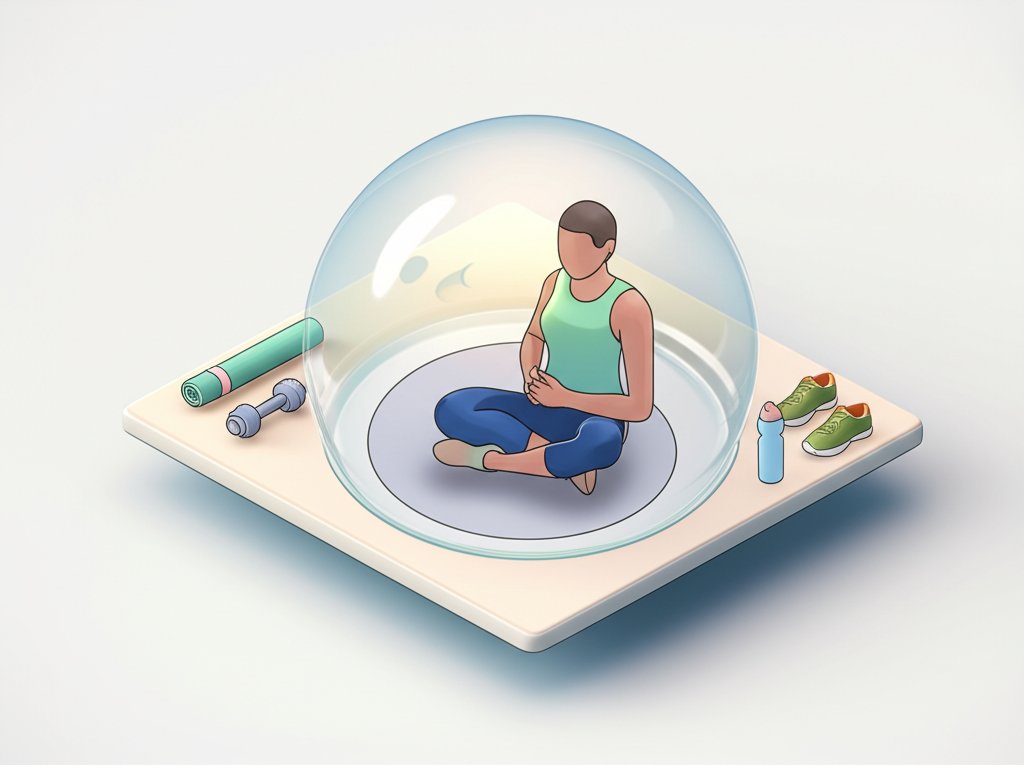
It's a familiar scenario: you know working out is good for you, you even want to get moving, yet a heavy blanket of inertia keeps you glued to the couch. The question echoes in your mind: "why am I not motivated to workout?" You're not alone. This isn't a failure of willpower; it's often a complex interplay of hidden psychological, emotional, and practical barriers that quietly sabotage your best intentions. Understanding these underlying issues is the first, crucial step toward reigniting your spark.
At a Glance
- Uncover the Root Causes: Identify whether psychological, emotional, situational, or physical factors are draining your drive.
- Mindset Mastery: Learn strategies to set realistic goals, overcome perfectionism, and build self-efficacy through small, consistent wins.
- Optimize Your Environment: Discover how your surroundings and social connections can either fuel or hinder your fitness journey.
- Practical Playbook: Implement actionable steps to build sustainable routines, track progress, and find genuine enjoyment in movement.
- Know When to Seek Help: Understand when professional guidance (from trainers to therapists) can provide the crucial support you need.
The Invisible Chains: What's Really Draining Your Drive?
When you ask yourself "why am I not motivated to workout," the answer often isn't a simple lack of discipline. It's usually a combination of factors, subtle yet powerful, that make consistent effort feel like an uphill battle. Let's break down the common culprits.
The Psychological & Emotional Roadblocks
Our minds are powerful motivators—or de-motivators. If you're struggling, look inward:
- Anxiety, Depression, and Stress: These aren't just feelings; they're physiological states that deplete energy and make even simple tasks feel overwhelming. The idea of adding a workout to an already burdened mind can seem impossible.
- Fear of Failure or Perfectionism: If you believe you have to hit an intense workout every single time or achieve a certain physique instantly, the pressure can be paralyzing. The fear of not living up to these high standards often leads to avoiding exercise altogether.
- Low Self-Esteem & Feelings of Inadequacy: Past negative experiences with exercise, comparing yourself to others, or a general sense of not being "good enough" can make starting or continuing a workout feel like a constant reminder of perceived shortcomings.
- Burnout or General Fatigue: If your life already feels like a marathon, adding another demanding activity can push you over the edge. Physical and mental exhaustion leave little room for sustained motivation.
Situational & Environmental Hurdles
Sometimes, the world around us creates roadblocks that are harder to sidestep:
- Hectic Schedules & Lack of Time: Modern life is busy, and finding a consistent slot for exercise can feel like playing Tetris with your calendar. If fitting it in feels like a constant battle, motivation will inevitably wane.
- Lack of Access or Resources: Not having a gym nearby, unsuitable weather, or even a lack of safe, inviting spaces to exercise can be genuine barriers.
- Unsupportive Environment: If your friends, family, or workplace don't encourage a healthy, active lifestyle, it's much harder to maintain your motivation. Peer pressure, even subtle, can be a powerful force.
The Physical Realities
Your body's current state profoundly impacts your desire to move. Ignoring these signals is a recipe for stalled motivation:
- Chronic Fatigue & Poor Sleep: These are massive energy drains. If you're constantly tired, the thought of expending more energy through exercise is naturally unappealing.
- Suboptimal Nutrition: A diet lacking essential nutrients can lead to low energy, poor mood, and a general lack of vitality, making physical activity seem like an insurmountable task.
- Chronic Pain or Existing Injuries: Exercising with pain is difficult and often counterproductive. The fear of exacerbating an injury can understandably cause hesitation.
- Underlying Health Conditions: Certain medical conditions can directly impact energy levels and physical capacity, making regular exercise more challenging.
The Inner Game: Mastering Your Mindset for Consistent Movement
Understanding why you're not motivated is the first step. The next is to strategically shift your mental approach. This isn't about brute-forcing motivation; it's about making it feel less like a chore and more like an integral part of your well-being.
Setting Goals That Actually Stick: The SMART Framework
Vague goals like "I want to get fit" are motivation killers. They lack direction and a clear finish line. Instead, embrace SMART goals:
- Specific: What exactly do you want to achieve? (e.g., "Walk 30 minutes, 3 times a week")
- Measurable: How will you track your progress? (e.g., "Use a fitness tracker to count steps/minutes")
- Achievable: Is it realistic given your current fitness level and schedule? (e.g., "Starting with 10 minutes, gradually increasing to 30")
- Relevant: Does it align with your broader health and wellness values? (e.g., "To feel more energetic for my kids")
- Time-bound: When will you achieve this goal? (e.g., "By the end of the month")
Focusing on short-term, achievable goals provides immediate satisfaction and builds momentum. For instance, instead of aiming to run a marathon, commit to running for 15 minutes without stopping in two weeks. This smaller win fuels the confidence needed for the next step.
Taming Perfectionism and the Fear of Failure
The "all or nothing" mentality is a common trap. If you miss a workout, do you write off the whole week? If so, you're falling victim to perfectionism.
- Embrace "Good Enough": A 15-minute walk is always better than no walk. A gentle stretch session is better than an intense gym workout you skip entirely. Focus on showing up, even in a small way.
- Reframe "Failure" as "Data": Every missed workout or less-than-ideal session isn't a failure; it's information. What made it difficult? How can you adjust next time? This mindset shift removes the emotional weight of perceived failure.
- Focus on Consistency, Not Intensity: Showing up consistently, even for short durations, builds habit and discipline far more effectively than sporadic, intense bursts.
Building Your Self-Efficacy: The Power of Small Wins
Self-efficacy is your belief in your ability to succeed in specific situations. Each small success, no matter how minor, reinforces this belief.
- Start Micro: If even a 10-minute walk feels too much, try 5 minutes. Or simply put on your workout clothes. Or just walk to the mailbox and back.
- Stack Habits: Link your new exercise habit to an existing one. "After I finish my morning coffee, I will do 5 minutes of stretching."
- Acknowledge Every Effort: Don't dismiss a short walk or a few push-ups as insignificant. Each small effort counts and contributes to a growing sense of capability.
Designing Your Environment for Success
Your surroundings play a huge role in supporting (or sabotaging) your motivation. Thoughtfully curating your physical and social environment can make working out feel much more natural.
Crafting Your Workout Sanctuary
Whether it's a gym, your living room, or a park, your chosen space needs to feel inviting, not intimidating.
- At Home: Dedicate a small, tidy corner. Lay out your mat, resistance bands, or light weights. Keep it clutter-free and appealing. Make it easy to start without needing to "set up" everything.
- At the Gym: Find a gym where you feel comfortable and welcomed. If the atmosphere feels intimidating or the commute is a hassle, it will quickly become another barrier.
- Outdoors: Explore local parks, trails, or walking paths. Fresh air and natural scenery can be powerful mood boosters. Check the weather forecast and have a backup plan.
The Social Spark: Accountability & Connection
Working out doesn't have to be a solitary endeavor. Shared goals and social connections can be incredibly motivating.
- Find a Workout Buddy: Committing to someone else makes it harder to bail. A friend can offer encouragement, share successes, and make the experience more fun.
- Join a Group Class or Team: From spin classes to hiking groups, the camaraderie and shared energy can be infectious. It also provides a built-in schedule and a sense of belonging.
- Online Communities: If in-person options are limited, virtual fitness communities or challenges can offer support and accountability from a distance.
The Sonic Boost: Leveraging Music for Mood and Energy
Music is a universal motivator. The right tunes can transform a daunting workout into an exhilarating experience by boosting your mood, increasing endurance, and distracting from discomfort.
- Curate with Intention: Think about the energy you need. High-BPM tracks for cardio, more meditative tunes for stretching, or pump-up anthems for strength training.
- Personalize Your Playlists: The music you genuinely enjoy will always be more effective than generic gym background noise. Create playlists for different types of workouts or different moods.
- Use it as a Ritual: Putting on your workout playlist can be a powerful cue to signal to your brain that it's time to get active.
And speaking of setting the right vibe, the power of music cannot be overstated. A killer playlist can literally shift your mood and energy, making a tough session feel exhilarating. If you're looking to curate that perfect sonic backdrop, Discover your ultimate workout playlist that will propel you through any challenge.
Practical Playbook: From Stagnation to Sustainable Action
Identifying your "why" and adjusting your mindset are foundational. Now, let's look at the actionable steps you can take to integrate exercise into your life in a way that sticks.
Building an Unbreakable Routine (and When to Break It)
Consistency is king, but rigidity can be a killer.
- Schedule It Like an Appointment: Block out specific times in your calendar for workouts and treat them as non-negotiable. This prevents other tasks from encroaching.
- Find Your Best Time: Are you a morning person or a night owl? Experiment to find when you feel most energetic and least likely to be interrupted.
- Embrace Flexibility: Life happens. If you miss a scheduled workout, don't throw in the towel. Adjust your plan, perhaps do a shorter session later, or reschedule for the next day. The goal is to get back on track, not to be perfect.
- The 10-Minute Rule: If you're really not feeling it, commit to just 10 minutes. Often, once you start, you'll find the motivation to continue. If not, at least you got 10 minutes in.
Tracking Your Triumphs, Not Just the To-Dos
Seeing your progress is a powerful motivator. It provides tangible evidence that your efforts are paying off.
- Use a Journal or App: Track your workouts, including duration, intensity, and how you felt. This allows you to see improvements over time, which can be incredibly encouraging.
- Celebrate Small Milestones: Did you complete a full week of workouts? Lift a slightly heavier weight? Run a little further? Acknowledge and celebrate these achievements, no matter how small. Reward yourself (non-food rewards!) for consistency.
- Focus on Non-Scale Victories: Pay attention to increased energy, better sleep, improved mood, clothes fitting better, or feeling stronger, rather than solely fixating on the number on the scale.
Finding Your Fitness Fun: Enjoyment Over Obligation
If exercise feels like a punishment, your motivation will be short-lived. The key is to find activities you genuinely enjoy.
- Experiment Widely: Don't limit yourself to traditional gym workouts. Try dancing, hiking, cycling, swimming, martial arts, rock climbing, yoga, team sports, or even active video games.
- Connect to a Purpose: If you hate running but love exploring, perhaps trail running is for you. If lifting weights feels boring, find an activity that uses strength in a functional way you enjoy, like gardening or a physical hobby.
- Mix It Up: Incorporate variety to prevent boredom and work different muscle groups. This keeps things fresh and engages your mind.
When to Call in the Pros: Addressing Deeper Barriers
Sometimes, even with the best intentions and strategies, certain obstacles are too significant to tackle alone. Knowing when to seek professional guidance can be a game-changer.
- Physical Discomfort or Pain: If exercise consistently causes pain or you're recovering from an injury, consult a doctor or physical therapist. They can diagnose the issue and provide a safe, tailored exercise plan. A personal trainer can then help implement this plan within your physical limitations.
- Persistent Mental Health Challenges: If anxiety, depression, or chronic stress are significantly impacting your motivation and daily life, a therapist or counselor can provide tools and strategies to manage these conditions. Addressing the root cause often frees up mental energy for other pursuits, including exercise.
- Nutritional Support: If low energy levels are a consistent problem, a registered dietitian or nutritionist can help you craft a balanced eating plan that fuels your body effectively, enhancing both your physical and mental energy.
- Accountability and Guidance: A personal trainer can offer expert guidance on proper form, program design, and provide that much-needed external accountability, especially when self-motivation is low. They can help you set realistic goals and push past perceived limits.
Quick Answers: Your Top Motivation Questions, Answered
You've got questions about staying motivated; we've got quick, actionable answers.
Q: "How do I start working out when I have zero motivation?"
A: Start incredibly small. Don't aim for a workout; aim for an action. Put on your workout clothes. Walk to your mailbox. Do 5 squats. The goal is to break the inertia, not achieve a full workout. Build from there.
Q: "What if I keep missing workouts? Does that mean I'm just not disciplined?"
A: Absolutely not. Missing workouts is a normal part of life. The key isn't perfection, it's consistency in getting back on track. Don't let one missed session derail your whole week. Acknowledge it, learn from it, and plan your next one. Resilience, not rigid discipline, is the goal.
Q: "Is it normal to lose motivation sometimes, even after a good streak?"
A: Completely normal! Motivation ebbs and flows like the tide. Expect periods of high drive and periods where you feel flat. The trick is to have strategies for those low points: revert to your smallest possible step, change up your routine, or revisit your "why."
Q: "How long does it take to build a workout habit that sticks?"
A: Research suggests anywhere from 18 to 254 days, with an average of 66 days. The important takeaway is that it varies hugely. Focus less on the exact number and more on consistent, repeated effort. The more consistently you show up, the more ingrained the habit becomes.
Your Personal Motivation Roadmap: A Quick-Start Guide
Ready to stop asking "why am I not motivated to workout?" and start moving? Here's a simple roadmap to get you started today:
- Identify Your Top Barrier: Is it psychological (fear, stress), situational (time, access), or physical (fatigue, pain)? Pick one and focus your energy there first.
- Set ONE Tiny, SMART Goal: Choose something so easy you can't say no. "Walk for 10 minutes, 3 times this week," or "Do 5 push-ups every morning."
- Optimize Your Immediate Environment: Lay out your workout clothes the night before. Clear a small space in your living room. Make starting effortless.
- Find Your Jam: Curate a short, upbeat playlist of songs you genuinely love. Use it as your "start" signal.
- Schedule It: Block out your tiny goal in your calendar like an important meeting.
- Track It (and Celebrate!): Mark it off when done. Give yourself a mental high-five, or even a small, non-food reward for consistency.
- Be Flexible, Not Fragile: If you miss a day, don't beat yourself up. Just plan for the next opportunity.
Remember, motivation isn't something you find; it's something you build through consistent, intentional action, one small win at a time. The journey of a thousand miles begins with a single step—or sometimes, just putting on your shoes.